Product screens
The product in detail.
A look at the shipped interfaces across the Vimeo Streaming platform.
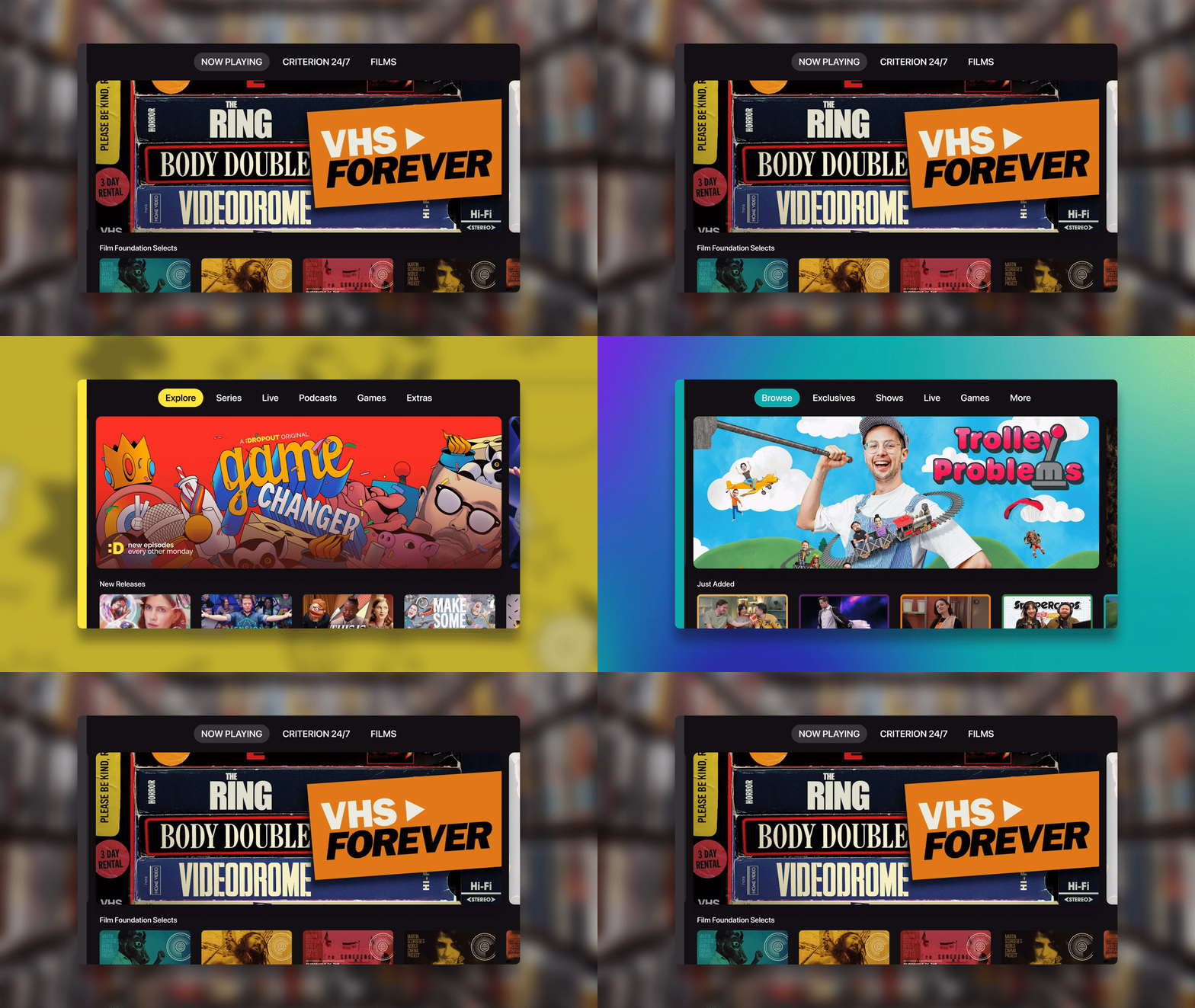
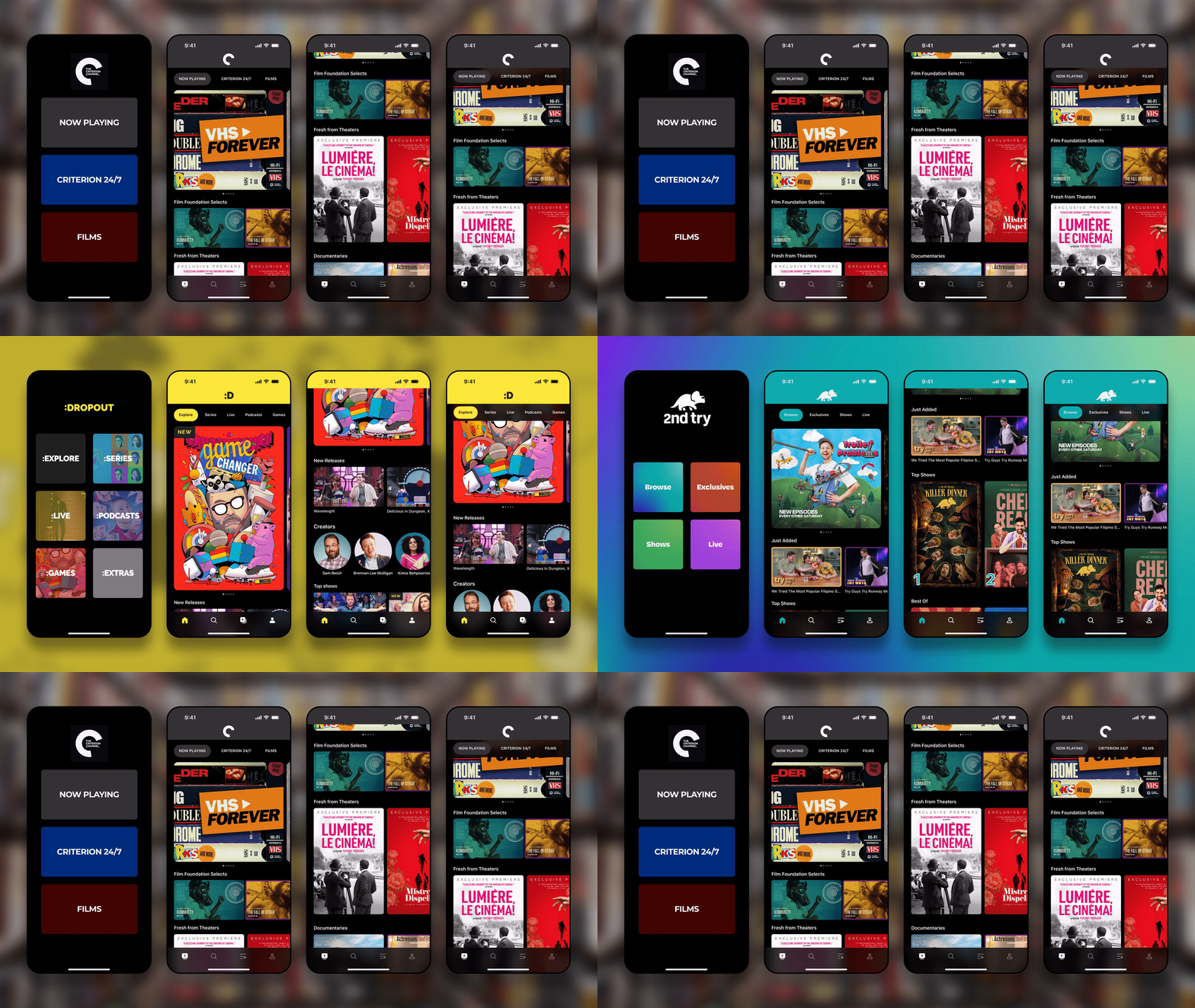
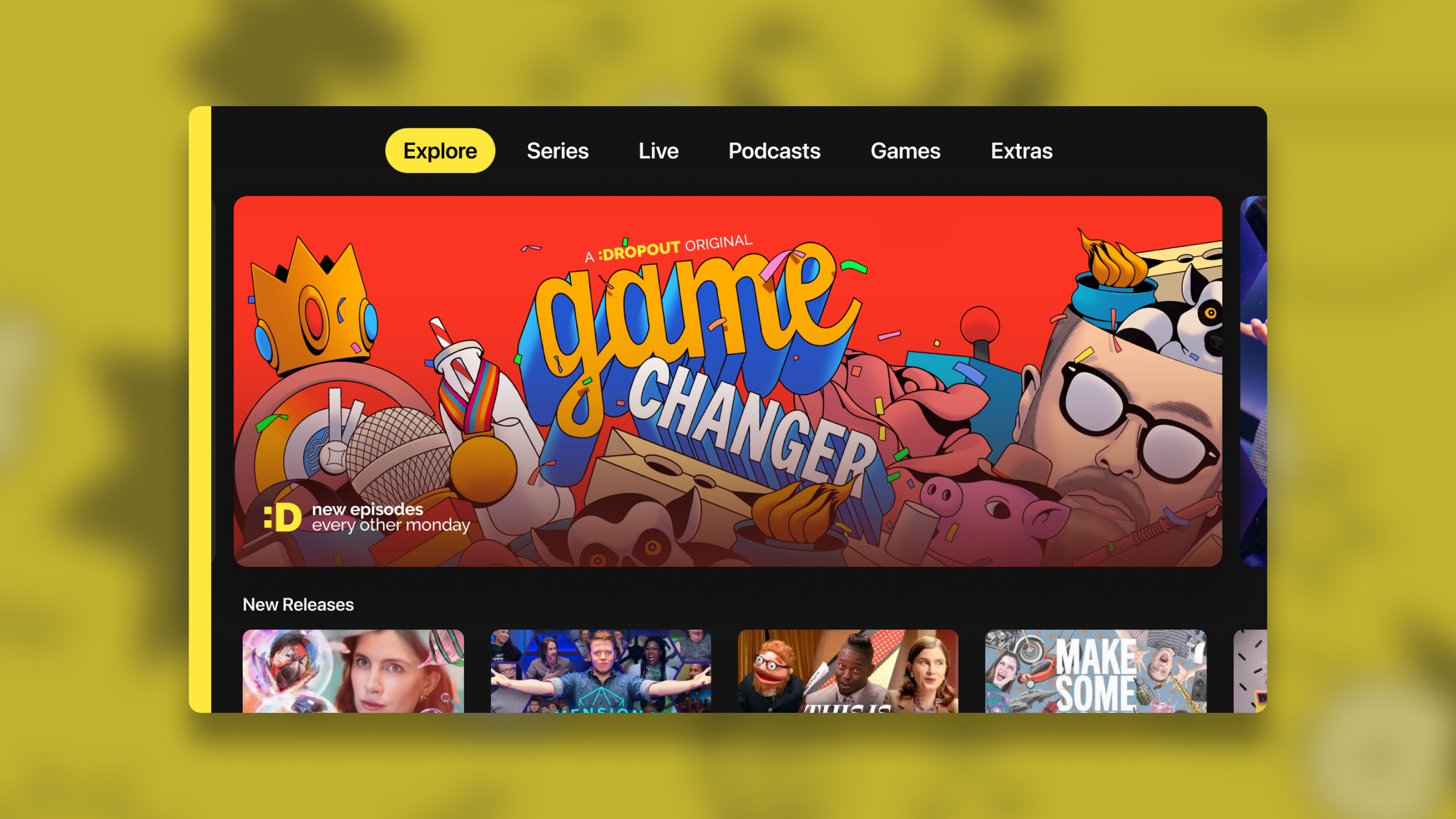
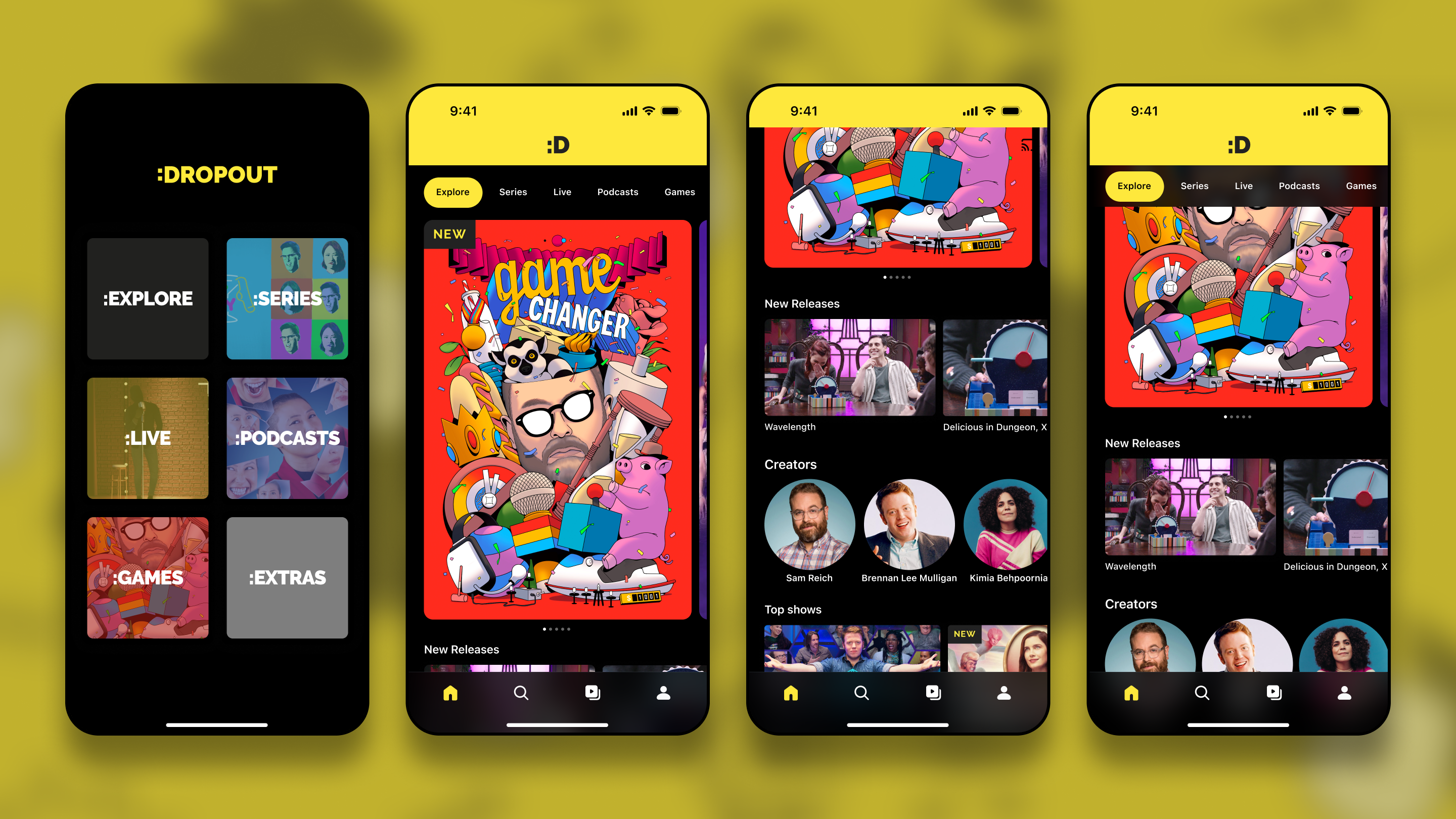
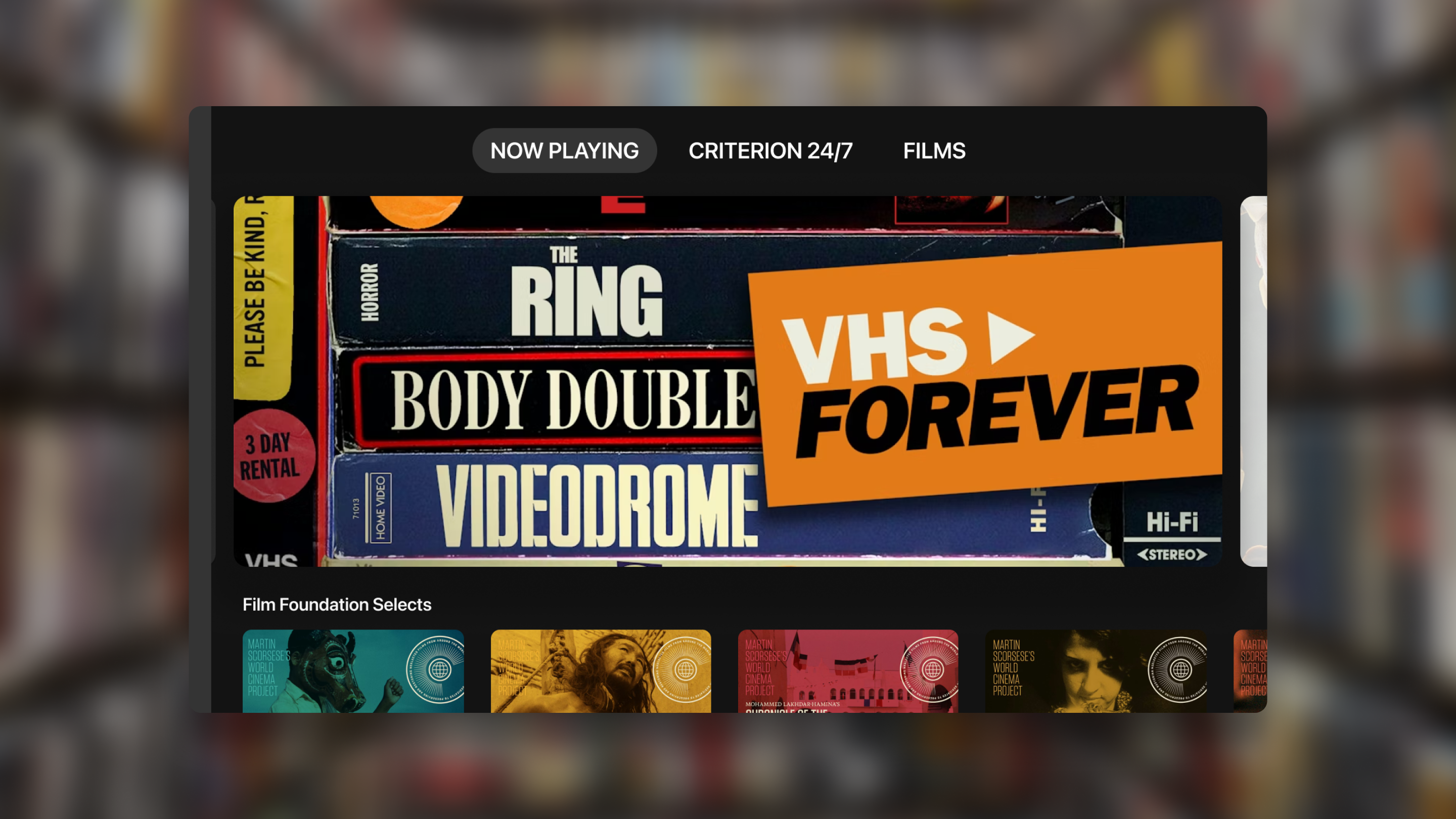
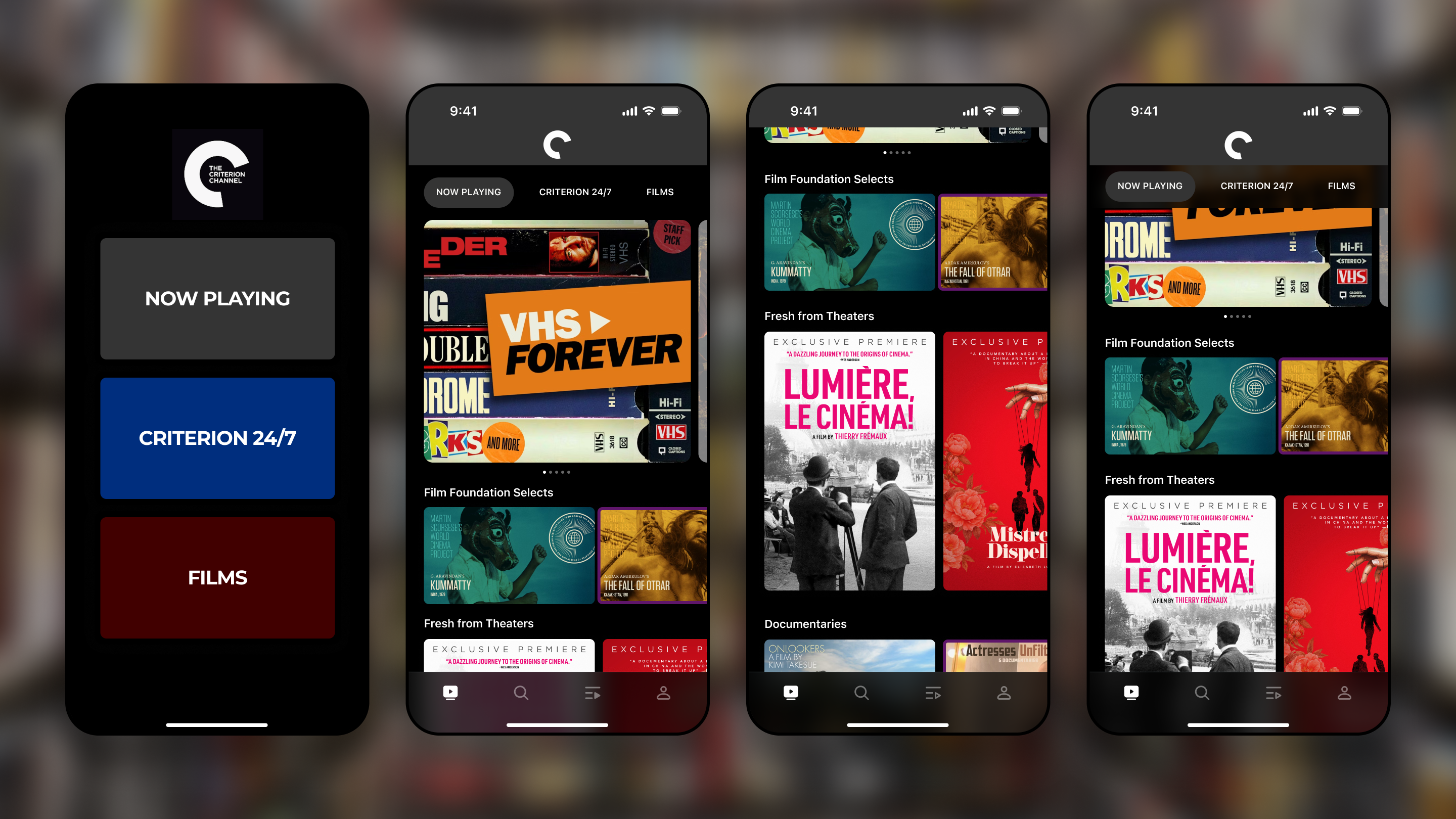
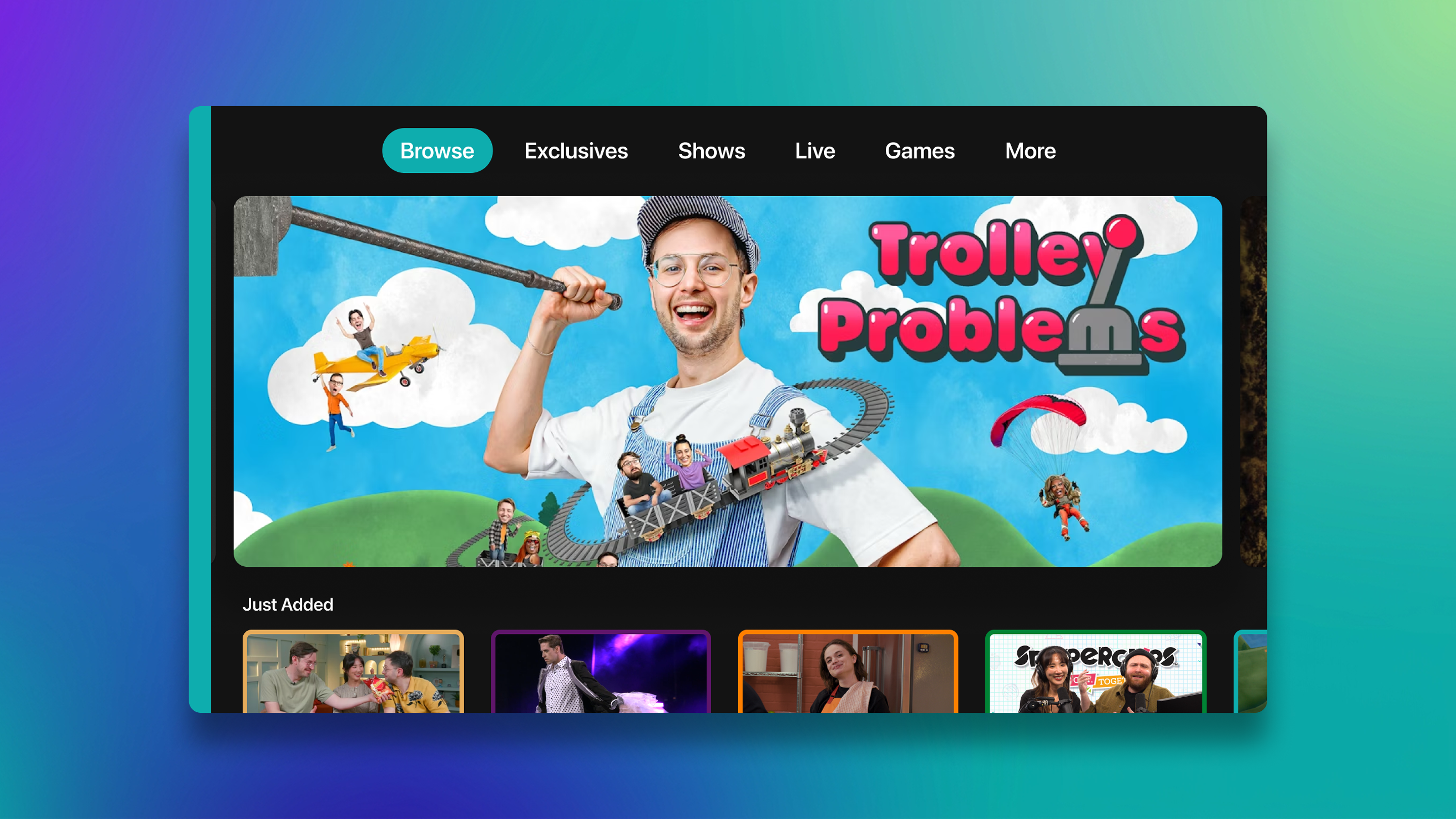
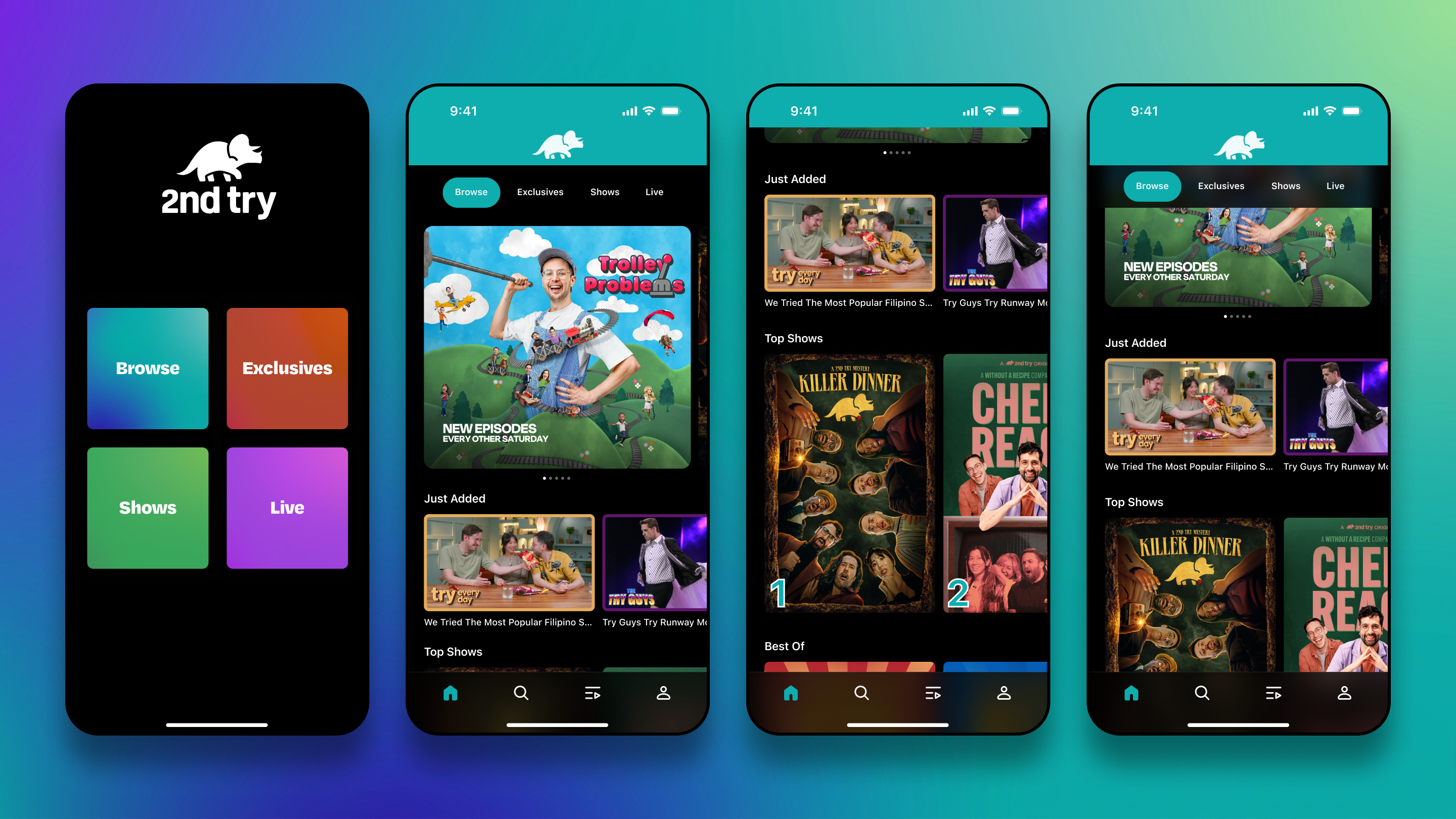
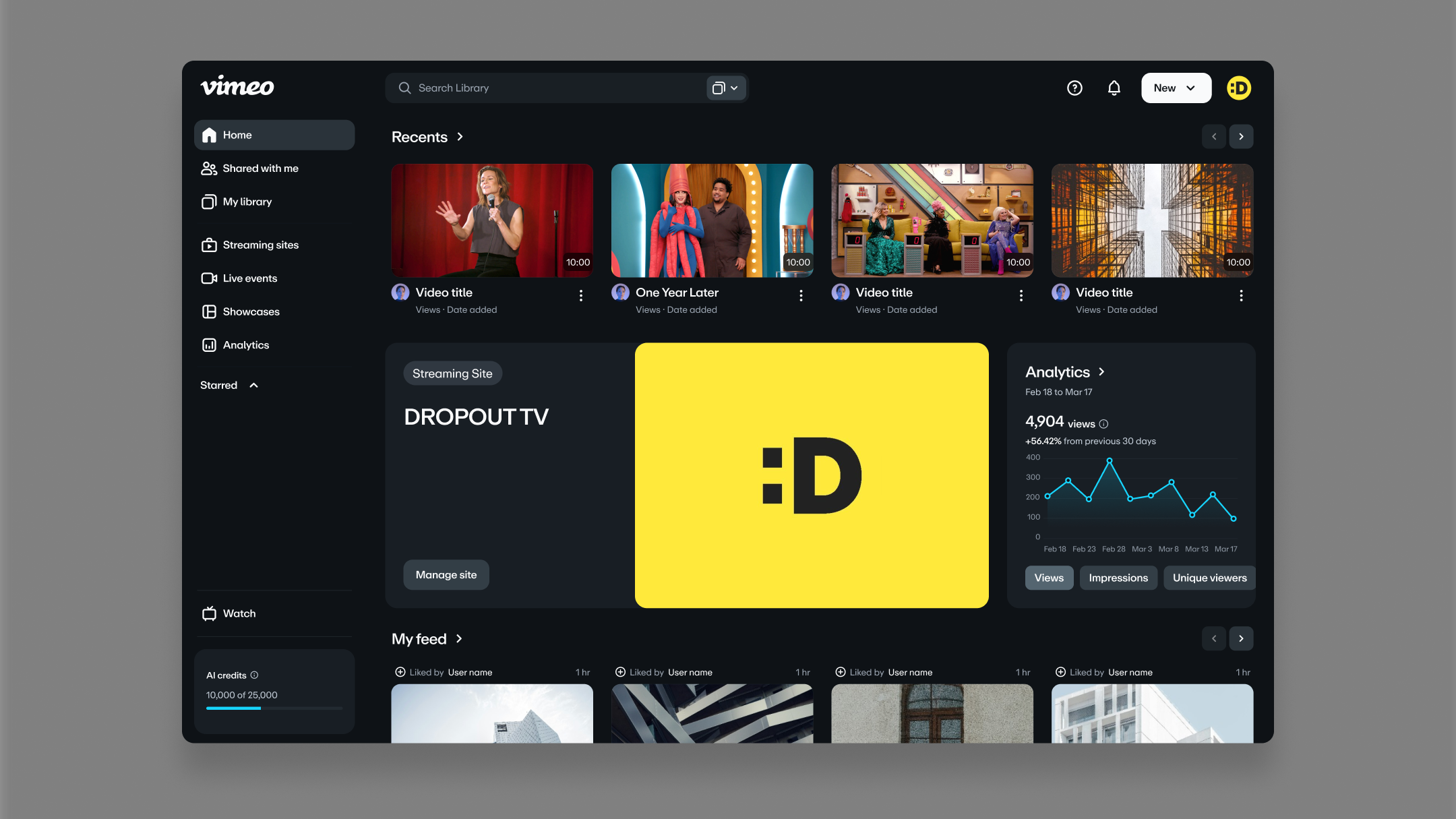
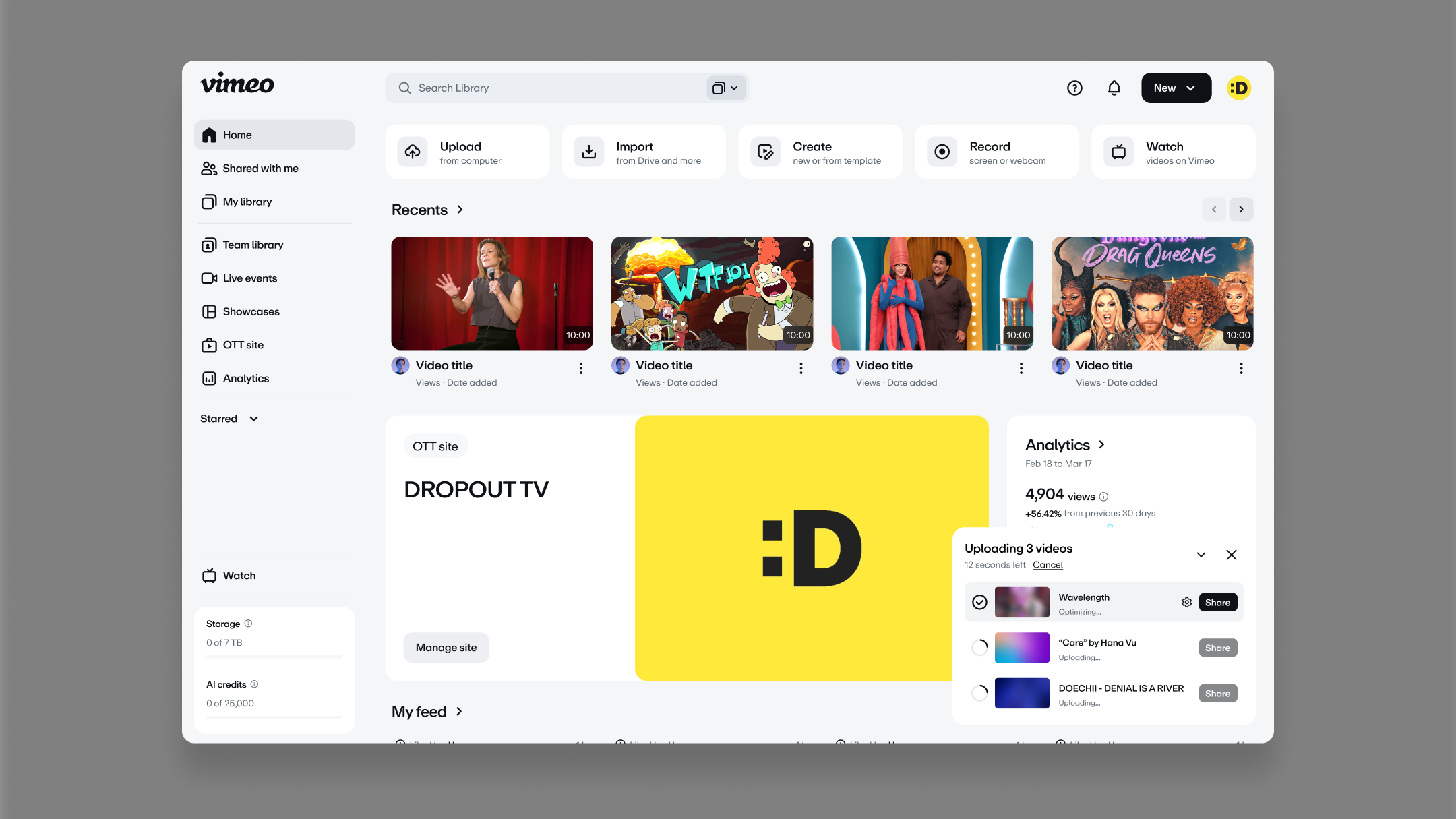
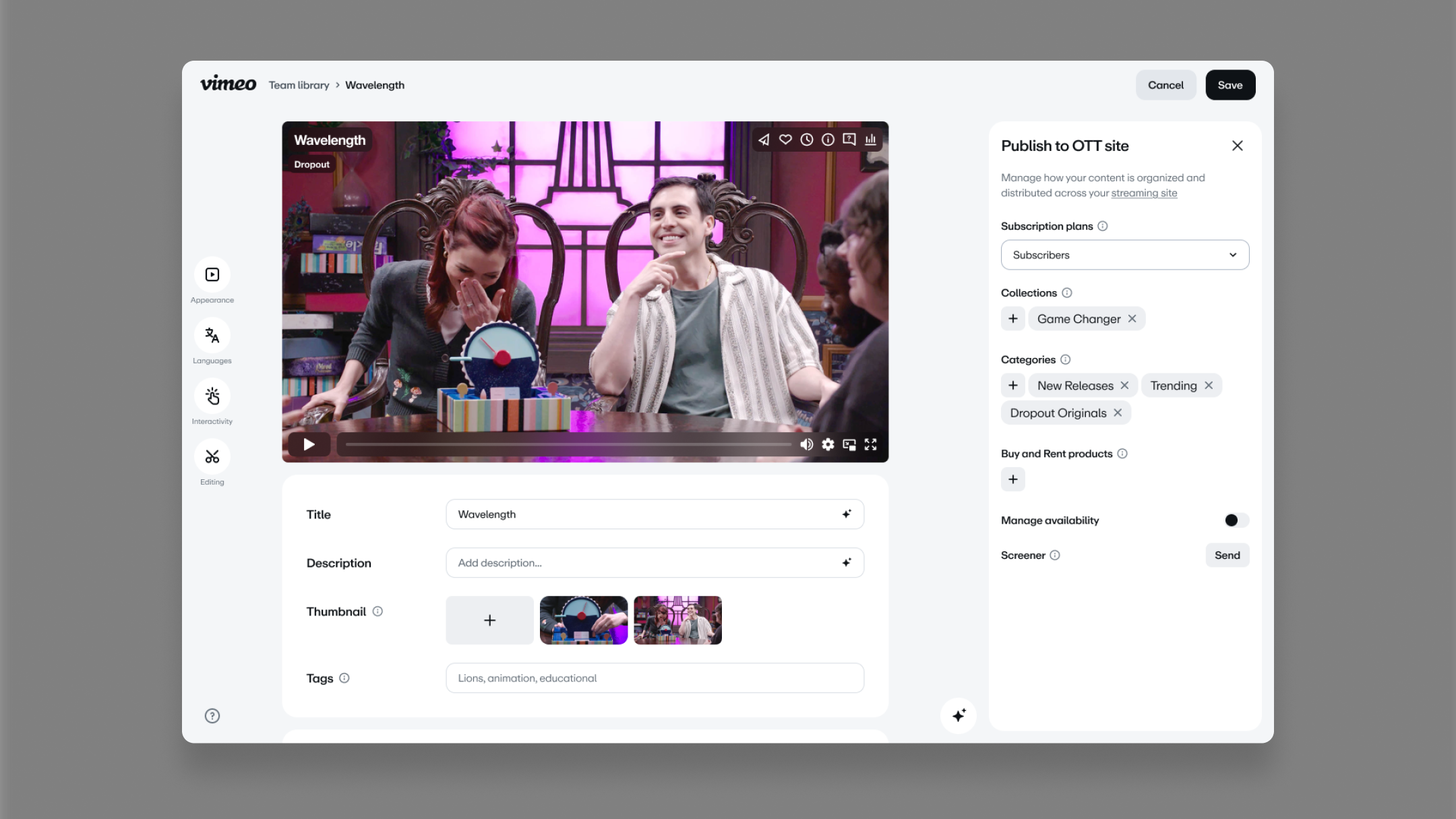
I spent about 10 years designing Vimeo Streaming's cross-platform distribution product, starting with the VHX integration after the acquisition and eventually growing it into a mature product serving creators on web, mobile, and every major TV platform.
Vimeo Streaming had to serve two very different users at the same time, with conflicting needs, on a single product surface.
Before committing to an approach, I explored three different models for how creators would customize and publish their apps.
Every element (colors, layout, typography, section order) fully editable. Maximum flexibility for creators, but also maximum complexity.
One beautiful default. Creator only sets their logo, colors, and content. Fastest time-to-launch, least differentiation across channels.
Curated, platform-compliant templates with guided customization zones. Structure ensures compliance; flexibility enables brand expression.
Platform compliance wasn't optional. Apple, Roku, Amazon, and Google all have strict HIG requirements. Any solution had to make compliance invisible to creators while still feeling like their brand.
| Consideration | Full control | Locked theme | Modular templates |
|---|---|---|---|
| Platform compliance | Creator's problem | Guaranteed | Built-in by design |
| Brand differentiation | Maximum | None | Meaningful within guardrails |
| Time to launch | Weeks of setup | Hours | Days — right amount of effort |
| Support burden | Extremely high | Minimal | Low — decisions are guided |
| Viewer experience | Unpredictable | Consistent but bland | Consistently excellent |
The modular App Builder shipped across web, mobile, and TV. Each platform got its own interaction patterns, navigation model, and visual hierarchy.
The creator's main management tool. Drag-and-drop layout, inline preview, instant publishing. Designed so non-technical creators could get started without onboarding.
Creator-facingPortrait mode, offline downloads, branded splash screens. The streaming app that lives on your home screen — everything around the content, not just the video.
Viewer-facing10-foot UI adapted to each platform's HIG. Content rails, poster grids, and lean-back browsing designed for D-pad remotes (no pointer, no keyboard). Each platform had its own safe areas, overscan rules, and focus-state conventions. Shipped across 6+ TV platforms with consistent branding while respecting each platform's navigation patterns.
Viewer-facing · 10-foot UIA look at the shipped interfaces across the Vimeo Streaming platform.
The template system gave creators enough flexibility to feel ownership without opening support chaos. Compliance-by-default was the right call.
We should have invested in viewer-side research earlier. Creator feedback dominated the roadmap because they were vocal — viewers were invisible until churn data surfaced the signal.
Platform app store reviews move slowly and reject unpredictably. Designing for compliance meant building UX guardrails that creators sometimes resented. That tension never fully went away.
The TV app design held up for years without major rework. Designing for the 10-foot paradigm early — when it wasn't mainstream — meant the architecture was solid when streaming exploded.